
Low-Sodium Shopping Without Sacrificing Flavor
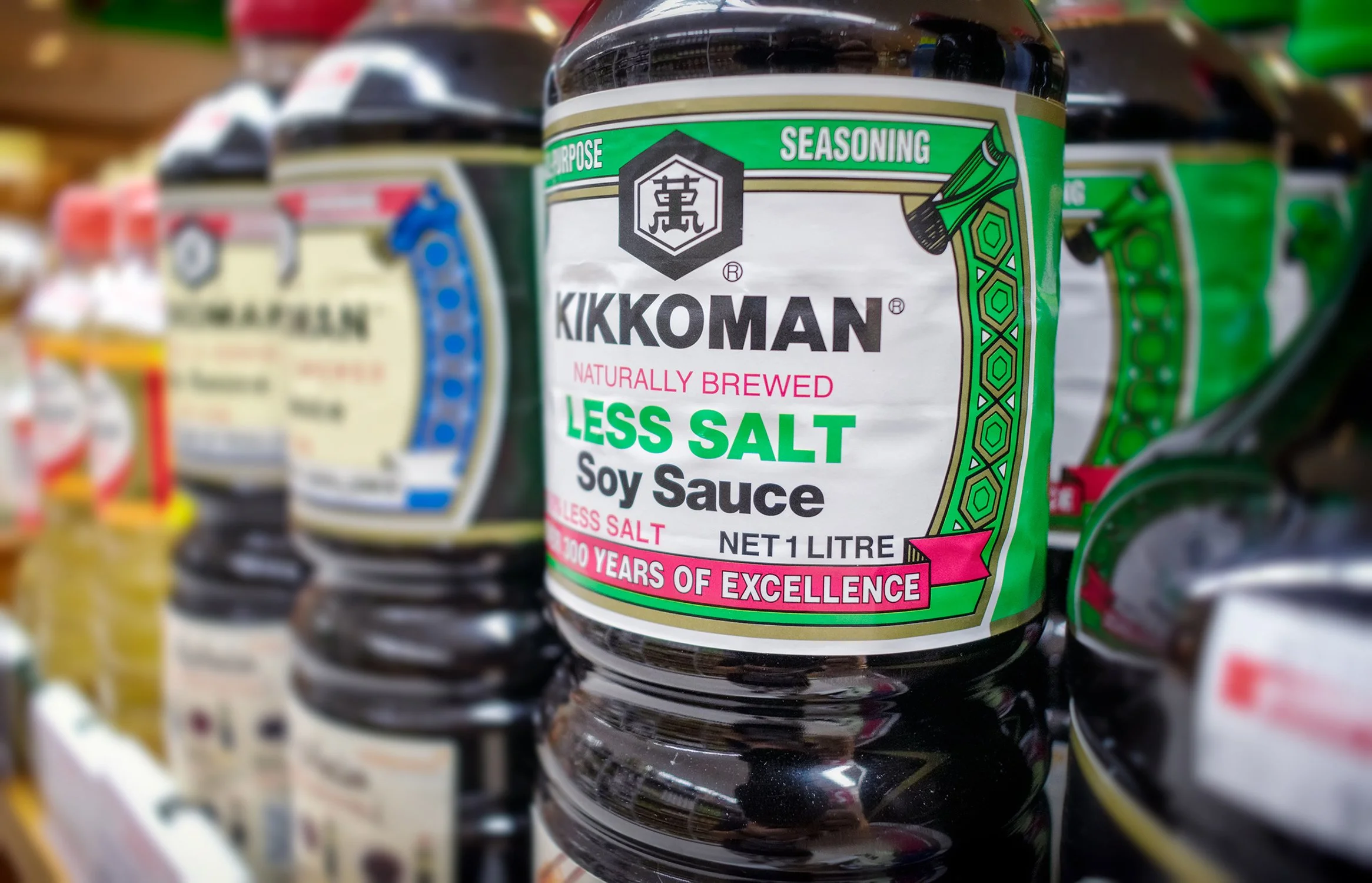
If you’re managing high blood pressure—or simply trying to take better care of your heart—cutting back on sodium is crucial, but can feel overwhelming. Salt seems to be everywhere, and “low-sodium” can sound like a synonym for bland. But with a little label savvy and a few strategic swaps, you can reduce sodium without giving up flavor.
This guide will walk you through smart grocery-shopping tips, surprising sources of sodium, and the top foods to watch out for—so you can stock your cart with confidence.
This article is for educational purposes only and does not replace medical advice. Always consult your healthcare provider before making dietary changes.
Why Sodium Adds Up So Fast
Most people don’t get the majority of their sodium from the salt shaker. Instead, it comes from packaged, prepared, and restaurant foods. Even items that don’t taste salty can deliver a hefty sodium hit.
For heart health, many experts recommend limiting sodium to 1,500–2,300 mg per day, depending on individual needs. One trip down the grocery aisle can blow past that—unless you know what to look for.
Smart Grocery Shopping Tips for Lower Sodium
1. Shop the Perimeter
The outer edges of the grocery store usually house:
Fresh fruits and vegetables (Bonus: these are also an excellent source of potassium, a mineral that helps the body get rid of extra sodium and relaxes blood vessel walls, which can help lower blood pressure!)
Fresh meat, poultry, and fish
Dairy like eggs, milk, and plain yogurt (watch out for cheese, which can be high in sodium)
These minimally-processed foods are naturally low in sodium and form the foundation of a heart-healthy (and all-around healthy) diet.
2. Learn the Label Language
The FDA has specific definitions for label terms like “low sodium,” and it's important to know what they really mean:
Sodium-free: <5 mg per serving
Very low sodium: ≤35 mg per serving
Low sodium: ≤140 mg per serving
Reduced sodium: at least 25% less sodium than the regular version (still may be high)
Lightly salted: at least 50% less sodium than the regular version (still may be high)
No salt added or Unsalted: no salt is added during processing, but products may not be salt or sodium free unless stated
And remember, don’t rely on the front of the package alone. Flip it over and check the Nutrition Facts panel. And be sure to compare brands—differences can be dramatic.
Tip: when reading labels feels overwhelming, just remember to aim for 400 mg or less of sodium per serving. That’s an easy way to keep your choices on the lower-sodium side.
3. Compare “Per Serving” and Per Package
Some foods look reasonable until you realize the package contains 2–3 servings or more. Multiply sodium accordingly to see what you’re actually eating.
4. Choose “No Salt Added” When Possible
Look for “no salt added” or “unsalted” versions of:
Canned vegetables
Beans and lentils
Nuts and seeds
Tip: If only regular canned items are available, rinsing them under water can reduce sodium by up to 40%.
5. Flavor Without the Salt
Cutting sodium doesn’t mean cutting taste. Build flavor with:
Fresh herbs (basil, cilantro, rosemary)
Garlic, onion, ginger
Citrus juice and zest
Vinegars (balsamic, red wine, apple cider)
Salt-free spice blends
Your taste buds will adapt—and often quickly.
5. Salt by Any Other Name
There are many common ingredients (preservatives, thickeners, and flavor enhancers) that contain sodium, but won’t show up in an ingredient list as “salt.” Look for these words on the food label when you shop, and always check to see how much total sodium is in that product:
Baking soda (sodium bicarbonate)
Baking powder
Disodium phosphate
Monosodium glutamate (MSG)
Sodium citrate
Sodium caseinate
Sodium propionate
Sodium sulfite
Sodium nitrate
Hidden Sources of Sodium Most People Miss
These foods often don’t taste all that salty, but contain loads of sodium:
Bread and rolls – Small amounts add up fast
Breakfast cereals – Especially flavored or “savory” varieties
Salad dressings – Even “light” versions can be high
Cheese – Sodium varies widely by type
Condiments – Ketchup, mustard, soy sauce, BBQ sauce, teriyaki sauce
Flavored yogurt or cottage cheese
Rotisserie chicken – Often injected with sodium solutions
Frozen vegetables with sauces
Protein bars and shakes
Restaurant-style soups and broths
Top 10 Foods to Watch Out For
These are some of the biggest sodium contributors in the average grocery cart:
Deli meats and cured meats (ham, turkey, salami)
Canned soups and broths
Frozen meals
Pizza
Cheese
Sauces and condiments
Snack foods (chips, crackers, pretzels)
Instant noodles and boxed meals
Pickled foods (pickles, olives, sauerkraut)
Fast-food or prepared store foods
You don’t have to eliminate these entirely—but choosing lower-sodium versions and watching portions makes a big difference.
A Heart-Smart Shopping Mindset
Think of sodium reduction as a series of small wins, not an all-or-nothing rule. Each lower-sodium choice—one can, one label, one meal at a time—adds up to better blood pressure control and long-term heart health.
And remember: flavor doesn’t come from salt alone. With fresh ingredients and smart seasoning, your meals can still be delicious. Happy (and healthy) shopping!